When Your First Reaction Wasn’t Your Best
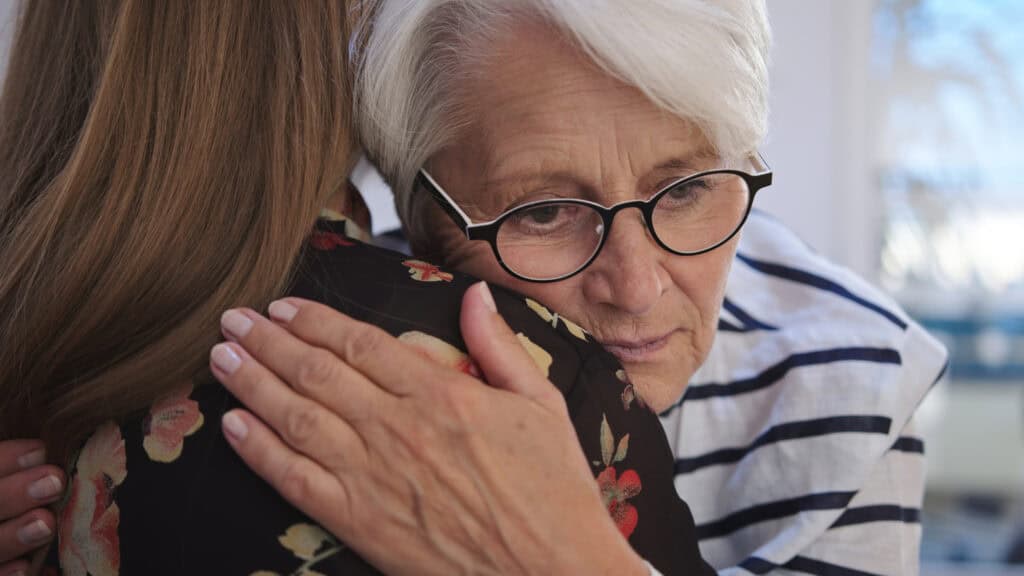
Maybe you went quiet. Maybe you asked, “Are you sure?” Maybe you said something you wish you could take back. You can’t unsay it, but you can go back and say what you mean now.
Just found out? Start with the first 48 hours
In this guide
- You’re not the only one
- Why going back matters
- Before you talk
- What to say now
- After the conversation
- Questions parents ask
- Support for you
Need to talk now? Call or text 9-8-8
If you’re reading this, part of you already knows your first reaction didn’t land the way you wanted it to. That regret isn’t a sign you’re a bad parent. It’s a sign you love your child and want to do better by them. Hold on to that.
A first reaction is not a final answer.
You’re not the only one
At pflag meetings across the country, parents talk about first reactions they’re not proud of. Some of these might sound familiar.
“Are you sure?”
“It’s probably just a phase.”
“Don’t tell your grandparents.”
“What did I do wrong?”
“I can’t talk about this right now.”
Nothing at all. Just silence.
Most first reactions come from shock, fear, or love that hasn’t caught up yet. Your child can’t see the reason, though. They only heard the words. That’s why going back matters.
Why going back matters
Your child has probably replayed that moment more times than you have. Without a repair, they’re left to decide on their own what you really meant, and they may assume the worst.
A little change goes a long way.
Research with families of LGBTQ young people found that becoming even a little less rejecting lowers a child’s risk of serious health problems. Some parents changed how they responded overnight, once they understood how their words were landing.
Source: Family Acceptance Project, San Francisco State University
You don’t have to get everything right to make a difference. You need to go back, name what happened, and show your child where you stand now.
Before you talk
- Find support for your own feelings firstGrief, fear, guilt and confusion are all normal. They deserve somewhere to go, and that place shouldn’t be your child. Talk with a partner, a friend you trust, or other parents at a pflag meeting.
- Remember what you actually saidThe words, the tone, the silence. A repair works best when it’s specific. “I’m sorry for everything” is harder to believe than “I’m sorry I asked if you were sure.”
- Know what’s true for you nowYou don’t need to understand everything yet. You do need to be able to say, and mean, “I love you, and I’m on your side.”
- Pick a calm momentNot in front of siblings, not as they’re heading out the door, not in the middle of an argument. A walk or a drive can make it easier, because you don’t have to look at each other the whole time.
A good repair
- Names what you said or did
- Owns it, without excuses
- Says clearly where you stand now
- Asks what your child needs
- Is followed by action
What gets in the way
- “I’m sorry you were hurt”
- “I’m sorry, but you caught me off guard”
- A long list of reasons you reacted that way
- Needing your child to reassure you
- Expecting them to be over it right away
What to say now
Short is good. Use the lines that are true for you, and say them out loud.
“I’ve been thinking about when you told me.”
It tells them you remember, and that it mattered.
“When you told me, I said [what you said]. That wasn’t okay.”
Naming it shows you understand what hurt.
“You deserved a better answer. I love you, and that has never changed.”
Say the thing you wish you’d said the first time.
“What can I do now that would help?”
Then listen. Their answer is your next step.
If you start to cry: that’s human. Take a breath and keep going. Just try not to make comforting you their job.
If you’re still learning: say so. “I don’t understand everything yet, but I’m learning, and I’m with you.”
If it’s easier to start by text
For some families, a message is the gentlest first step. It gives your child time to take it in without having to react in front of you.
You
I’ve been thinking about what I said when you told me. I got it wrong, and I’m sorry. I love you and I’m proud of you. No need to reply now. Can we talk when you’re ready?
Your child
ok. thanks
A short reply is not a rejection. You’ve opened the door. Give them time to walk through it, and follow up in person in a day or two.
After the conversation
One good conversation won’t undo the first one on its own. Trust comes back through what you do over the days and weeks that follow. Go at your child’s pace, not the calendar’s.
Let it land
Your child may not say much. They might be relieved, guarded or still hurt. All of that is okay. Don’t push for forgiveness or a hug. “Thank you for listening” is enough.
Then do something ordinary together: dinner, a show, a drive. It tells them nothing about your love has changed.
Show it, don’t just say it
- Use the name and pronouns they’ve asked for, every time.
- Mention something you’ve read or learned: “I’ve been reading about this.”
- Ask about their friends, their interests and their day, not only their identity.
Stand up for them
If a relative, a neighbour or someone at school says something hurtful, step in. Your child will notice when you do, and they’ll notice when you don’t.
Ask who they want to know, and when. Their story is theirs to tell. Keeping it safe is one of the clearest ways to show you’ve changed.
Keep coming back
You’ll get things wrong again. Every parent does. When it happens, correct yourself quickly and keep going: “Sorry, let me try that again.”
Repair isn’t a single apology. It’s a habit, and every time you practise it, your child learns they can trust you with the next hard thing.
Remember
Repair is something you do, not something you’re owed back. Your child gets to heal on their own timeline, and your job is to keep showing up while they do.
Questions parents ask
These are the questions we hear most from parents who are trying to find their way back.
It’s been months, even years. Is it too late?
No. Whether your child is 14 or 40, hearing “I got that wrong, and I’m sorry” can still mean a great deal.
You might start with: “I’ve been thinking about something for a long time, and I owe you an apology.” Then follow the same steps. Name it, own it, say where you stand now, and ask what would help.
If your child is an adult, read Your Adult Child Just Came Out.
What if they won’t talk to me?
Give them space, and keep the door open: “I understand if you’re not ready. I’m here whenever you are.”
Then keep showing up in small ways: a kind message, a regular check-in, using their name and pronouns. If they have other trusted adults around them right now, that’s good news, even if it stings. Let those people be there while you rebuild.
I still have big feelings about this. Do I have to hide them?
No, but your child isn’t the right place to work through them. It’s okay to say, “Some of this is hard for me. That’s mine to work on, not yours.”
Then bring those feelings somewhere that can hold them. That’s exactly what pflag peer support meetings are for.
My partner or co-parent still isn’t there. What do I do?
You can only make your own repair. Tell your child where you stand, and be honest that their other parent is still working through it, without making excuses for hurtful words.
Try not to put your child in the middle. A pflag meeting can be a good first step for a co-parent who isn’t ready to talk with their child yet.
For more, read When You and Your Co-parent Don’t Agree.
My faith shaped my first reaction. Do I have to choose?
Many families of faith have walked this path before you. You don’t have to choose between your faith and your child.
You can say: “My faith matters to me, and so do you. Nothing I believe changes how much I love you.” Your local chapter can help you find other parents of faith who’ve been where you are.
Should I keep apologizing?
Once, clearly, is usually enough. Apologizing again and again can turn the conversation toward your guilt instead of their healing.
After that, let what you do speak for you. If you slip later, a quick correction is all you need.
Things got really bad. What now?
Start with safety. If your child no longer feels safe at home, or isn’t living at home because of what happened, reaching out matters even more. Tell them clearly that they are loved and welcome.
If you’re worried about their safety right now, call or text 9-8-8, or contact Kids Help Phone at 1-800-668-6868. Then find support for yourself. You don’t have to carry this alone.
You don’t have to do this alone
Many parents who come to pflag meetings had a first reaction they wish they could take back. They’ve been where you are, and they can help you find your way back.
pflag chapters across Canada hold peer support meetings for parents and families. Come exactly as you are, first reaction and all.
It’s not too late. Go back, say it better, and keep showing up.
Need to talk to someone now?
If you or someone you love is in crisis, free support is available any time.
- 9-8-8 Suicide Crisis Helpline Call or text, 24/7, in English and French.
- 1-800-668-6868 Kids Help Phone For young people, 24/7.
- 1-877-330-6366 Trans Lifeline Peer support run by and for trans people.
If someone is in immediate danger, call 9-1-1.